Who Should Use a Lactic Acid Lotion, and at What Strength
Lactic acid loosens dead cells and draws in water, so rough, flaky legs soften within weeks. It stings freshly shaved skin and raises sun sensitivity.
By Rachel Moreno · Published
9 sources · Our standards
Straight answer
A lactic acid lotion is a body moisturizer that contains lactic acid, a gentle alpha hydroxy acid that both loosens dead surface cells and draws water into the skin. It’s a good fit for rough, dry, flaky body skin and for aging skin that looks dull or crepey. Expect softer skin within weeks; the main trade-offs are stinging on broken or freshly shaved skin and extra sun sensitivity.
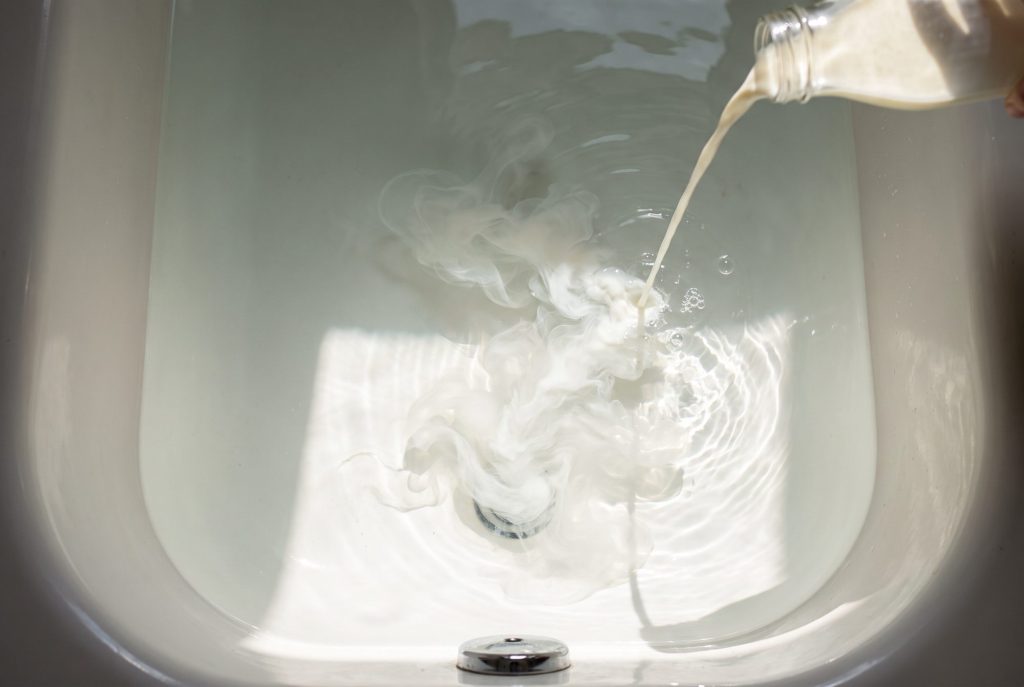
Most moisturizers sit on the skin and slow water loss. A lotion made with lactic acid does that and also works on the rough outer layer itself, which is why it often succeeds on legs, elbows and arms where an ordinary lotion seems to vanish by lunch.
Here’s how it works, what the research shows, how to pick a strength, and who should skip it.
Jump to
What a lactic acid lotion is
Lactic acid belongs to the alpha hydroxy acid (AHA) family, alongside glycolic and citric acid (FDA). Cleveland Clinic describes it as one of the gentler AHAs, which makes it a common choice for sensitive skin, and notes that it acts as both an exfoliant and a moisturizer (Cleveland Clinic). The AAD includes lactic acid on its list of ingredients that help relieve dry skin (AAD).
In body care, you’ll find it in three main forms: everyday lotions and creams with a low percentage, body washes, and higher-strength lotions labeled with 10% to 12% lactic acid, often as ammonium lactate. Ammonium lactate is lactic acid that has been partly neutralized with ammonium hydroxide so it’s less acidic on the skin.
How lactic acid works on skin
It loosens the glue between dead cells
AHAs are water-soluble and work by loosening the bonds that hold dead surface cells together, so they shed more easily (Cleveland Clinic). That’s the smoothing effect you feel on rough knees and shins within a week or two.
It pulls in and holds water
Lactic acid is a humectant. A 2019 review in the International Journal of Dermatology concluded that lactic acid binds large amounts of water and helps maintain the skin barrier while in use, which is part of why it’s tolerated on sensitive skin types (Algiert-Zielińska et al., 2019).
It may help skin build its own barrier lipids
In a 1996 study, lactic acid increased production of ceramides, the fats that seal the skin barrier, in skin cells in the lab, and lotions containing it raised ceramide levels in the skin of volunteers by up to 48% (Rawlings et al., 1996). Treated skin also resisted dryness better. The study was run by researchers at a consumer-goods company, so treat it as promising rather than settled.
At higher strength, it may thicken thin skin
The most-cited study compared 5% and 12% lactic acid applied twice a day for three months. Both improved smoothness and the look of lines. Only the 12% version also increased firmness and thickness in the deeper layer of skin, the dermis (Smith, 1996). A review of fragile, aging skin lists the same 12% twice-daily regimen among its treatment options (Dyer and Miller, 2018). That’s the reason lactic acid shows up so often in conversations about crepey skin.
The short list
- Lactic acid is a gentle AHA that exfoliates and moisturizes at the same time.
- Higher strength does more: 12% has outperformed 5% on dry skin and on skin thickness in studies.
- Apply to dry, unbroken skin; expect brief stinging on cracked or freshly shaved areas.
- AHAs increase sun sensitivity, so pair a lactic acid lotion with daily sunscreen on exposed skin.
5%, 10% or 12%: choosing a strength
For cosmetics, the industry’s Cosmetic Ingredient Review panel considers AHA products safe at concentrations of 10% or less with a pH of 3.5 or higher, according to the FDA (FDA). Twelve percent ammonium lactate is also sold as a prescription generic drug labeled for dry, scaly skin and ichthyosis vulgaris, with a pH of 4.5 to 5.5 (DailyMed). Our explainer on ammonium lactate 12% covers the prescription and over-the-counter versions in detail.
| Strength | Best for | What to expect |
|---|---|---|
| Up to 5% | Sensitive skin, first-time users, daily all-over use | Softer, smoother skin; surface-level changes |
| Around 10% | Rough, dry legs and arms that tolerate acids | More visible smoothing; some tingling on dry patches |
| 12% (often as ammonium lactate) | Very dry, scaly skin; aging, thin skin | Strongest evidence for dry skin and skin thickness; more stinging on broken skin |
The evidence favors the higher strength for dry skin. In a double-blind study of moderate to severe dryness, 12% ammonium lactate was significantly more effective than 5% lactic acid, both during three weeks of twice-daily use and in the three weeks after people stopped (Rogers et al., 1989). That lingering benefit is one reason dermatologists like it for winter legs. Start lower if your skin is reactive, and move up once you know how it responds.
Who a lactic acid lotion is for
Good candidates
- People with dry, rough or flaky skin on the legs, arms and elbows. See our guide to dry skin on legs.
- Adults with aging body skin that looks dull, thin or finely creased.
- Anyone whose skin feels like sandpaper but stings with grainy scrubs.
- People working on uneven tone from dry, rough patches, alongside sun protection. Our guide to dark spots on legs covers the bigger picture.
Who should be cautious
- People with active eczema flares, open cracks or broken skin: acids sting and can irritate.
- Anyone using other exfoliating acids or retinoids on the same area. Alternate nights rather than layering.
- Very sensitive or allergy-prone skin. Patch test first.
How to use a lactic acid lotion
- Patch test. Apply to a small area on the inner arm for a few days before using it widely.
- Apply to clean, dry, intact skin. The prescription label for 12% ammonium lactate notes that stinging or burning can occur on cracked or abraded skin, for example after shaving the legs (DailyMed). Shave in the morning and use the lotion at night, or vice versa.
- Start every other day, then build to once or twice daily if your skin is comfortable. Prescription 12% ammonium lactate is labeled for twice-daily use.
- Rub in thoroughly and wash your hands afterward, so you don’t carry it to your eyes.
- Use sunscreen on exposed areas. In FDA research, four weeks of AHA use increased skin’s sensitivity to UV reddening by 18% and doubled UV-related cell damage on average, an effect that faded about a week after stopping (FDA).
- Give it two to four weeks for texture, longer for anything to do with firmness. The skin-thickening study ran for three months.
If you’re following a weekly plan, lactic acid fits naturally on the days you’re not exfoliating any other way. Our weekly body care routine shows one way to slot it in.
Layering it with the rest of your routine
Korean skin care popularized the idea that the order of products matters, and the same logic works on the body. It’s both your treatment step and, for many people, your moisturizer. On very dry legs, though, a second layer helps.
- Normal to dry skin: the lotion alone, once or twice a day.
- Very dry or flaky skin: the acid lotion first, then a thin layer of a plain cream or petrolatum on the roughest spots at night. Ointments and creams hold more moisture than lotions, according to the AAD (AAD).
- Using a retinoid on the body too: put them on different nights, not on top of each other, to keep irritation down.
- Mornings: sunscreen on any skin that will see daylight, applied after the lotion has absorbed.
If your skin tolerates it well, a lactic acid body wash adds very little on top of a leave-on lotion, since it’s rinsed off within a minute. Put your money in the leave-on step.
What a lactic acid lotion won’t do
It won’t tighten loose skin the way an in-office procedure can, and its effect on firmness, where it exists, has been shown only at 12% and over months (Smith). It won’t fix dryness caused by an underlying condition such as poor circulation or thyroid disease. And it won’t keep working if you stop: the benefit lasted a few weeks after treatment ended in the dry-skin study (Rogers et al.), and then skin returns to baseline. Think of it as maintenance, not a one-time correction.
Side effects and who should skip it
The common side effects are mild and short-lived: stinging, burning, redness and peeling. On the prescription 12% label, transient stinging and burning each occurred in about 1 in 30 people treated for dry skin, and redness in about 1 in 50 (DailyMed). Stop using it if your skin stays red or raw, or if you notice hives or swelling.
The label also notes that the potential for post-inflammatory hyper- or hypopigmentation has not been studied (DailyMed). If you have a deeper skin tone and are prone to dark marks after irritation, start with a low strength and back off at the first sign of irritation. Ask your doctor before using a high-strength product if you’re pregnant or breastfeeding.
Frequently asked questions
What does a lactic acid lotion do?
It exfoliates the rough outer layer of skin and draws water into it, so skin feels softer and looks less flaky (Cleveland Clinic). At higher strengths it may also improve firmness over months (Smith).
Can I use lactic acid lotion every day?
Most people can, once their skin is used to it. Start every other day and build up; if stinging or redness persists, cut back.
Is lactic acid or glycolic acid better for body skin?
Both are AHAs. Lactic acid is generally gentler and adds more moisturizing benefit, which suits dry body skin and sensitive skin (Cleveland Clinic; Algiert-Zielińska et al.). Glycolic acid is a stronger exfoliant.
Does lactic acid lotion make you sensitive to the sun?
Yes. AHAs increase UV sensitivity while you use them and for about a week afterward. The FDA recommends sunscreen, protective clothing and limiting sun exposure during that time (FDA).
Why does my lactic acid lotion sting?
Acids sting on cracked, abraded or freshly shaved skin (DailyMed). Apply it to fully dry, unbroken skin, and use a plain moisturizer on any cracked areas until they heal.
About the author
Rachel Moreno writes Body Skin Insider's guides to crepey skin, discoloration, dry skin and the ingredients that help, with a focus on the skin below the chin. Each guide lists its sources and spells out when a spot or change should be seen by a dermatologist.
How we put this together
9 sources went into this guide, including Cleveland Clinic, the FDA and peer-reviewed studies. Claims link straight to the source that backs them.
This guide doesn’t link to any product our publisher sells.
Sources
- Cleveland Clinic. “Facial Acids: Everything You Need To Know.” Cleveland Clinic Health Essentials. health.clevelandclinic.org
- U.S. Food and Drug Administration. “Alpha Hydroxy Acids.” FDA. fda.gov
- American Academy of Dermatology. “Dermatologists’ top tips for relieving dry skin.” AAD. aad.org
- Algiert-Zielińska B, Mucha P, Rotsztejn H. “Lactic and lactobionic acids as typically moisturizing compounds.” International Journal of Dermatology, 2019. pubmed.ncbi.nlm.nih.gov
- Rawlings AV, Davies A, Carlomusto M, et al. “Effect of lactic acid isomers on keratinocyte ceramide synthesis, stratum corneum lipid levels and stratum corneum barrier function.” Archives of Dermatological Research, 1996. pubmed.ncbi.nlm.nih.gov
- Smith WP. “Epidermal and dermal effects of topical lactic acid.” Journal of the American Academy of Dermatology, 1996. pubmed.ncbi.nlm.nih.gov
- Rogers RS 3rd, Callen J, Wehr R, Krochmal L. “Comparative efficacy of 12% ammonium lactate lotion and 5% lactic acid lotion in the treatment of moderate to severe xerosis.” Journal of the American Academy of Dermatology, 1989. pubmed.ncbi.nlm.nih.gov
- Dyer JM, Miller RA. “Chronic Skin Fragility of Aging: Current Concepts in the Pathogenesis, Recognition, and Management of Dermatoporosis.” Journal of Clinical and Aesthetic Dermatology, 2018. pmc.ncbi.nlm.nih.gov
- U.S. National Library of Medicine. “Ammonium Lactate Lotion, 12% (prescription label).” DailyMed. dailymed.nlm.nih.gov
General information, not medical advice. For a spot that’s new, changing or bleeding, see a dermatologist.